

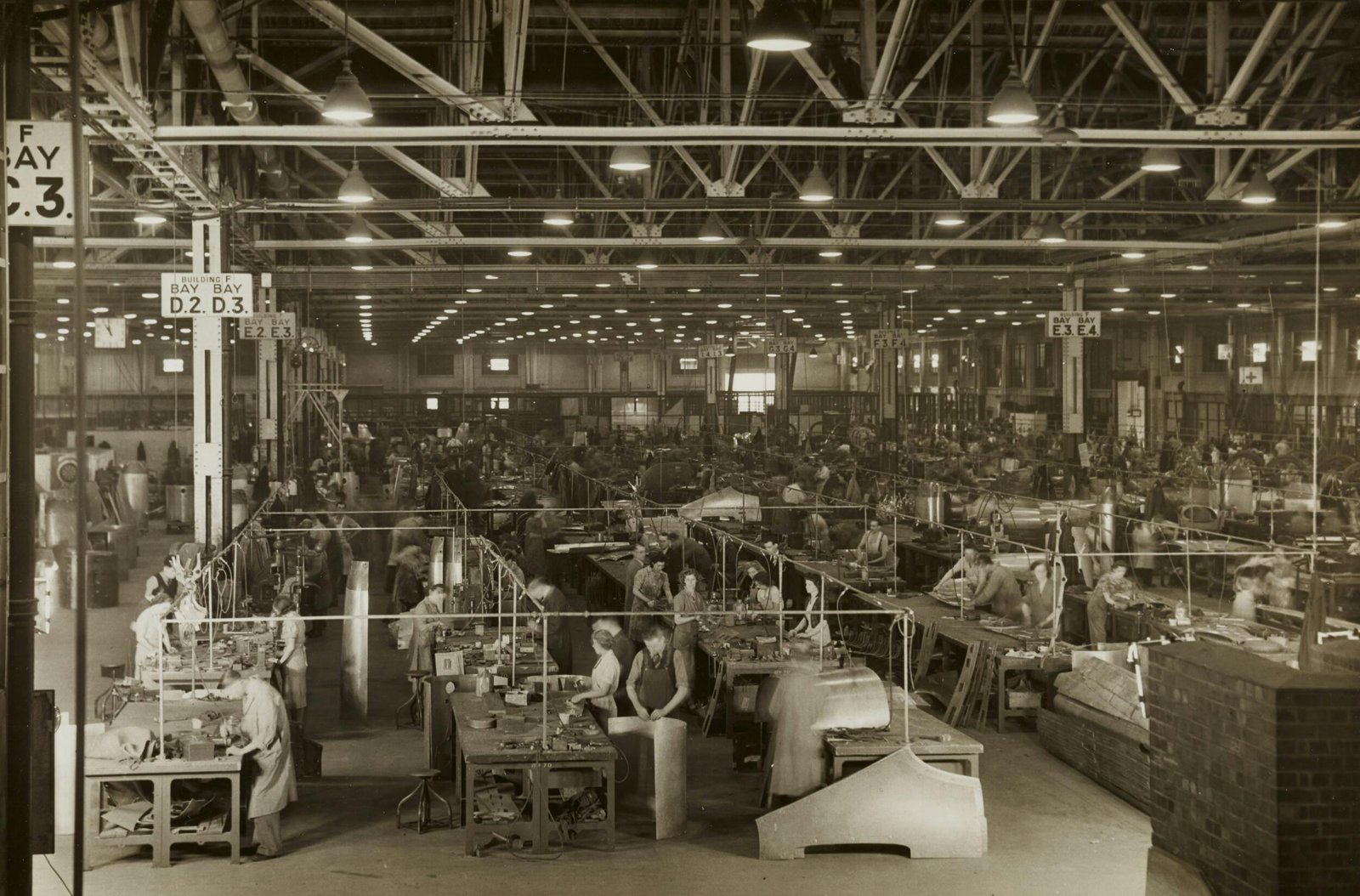
Introduction to Old Labour Laws
The manufacturing sector has long been governed by a framework of labour laws that evolved over several decades, encompassing a total of 29 diverse regulations. These laws were enacted with the intent to protect the rights of workers, establish fair working conditions, and regulate employer-employee relations. The historical context of these laws reveals a response to the challenges faced during the industrial revolution and subsequent economic shifts, wherein worker exploitation and harsh working conditions were prevalent. As a result, the legislative landscape was shaped to mitigate these issues, laying down a foundation for workers’ rights.
Each of the 29 laws served a specific purpose, ranging from the regulation of hours and wages to provisions for safety standards within workplaces. However, the existence of this multitude of laws introduced complexities that often hindered their effective implementation. Employers and employees alike struggled to navigate through an intricate web of legal requirements. The overlapping jurisdictions often resulted in confusion regarding compliance, leading to inadvertent violations and misunderstandings about rights and obligations.
This complexity not only created challenges for labor relations but also obstructed the growth of the manufacturing sector. Businesses faced the daunting task of understanding and adhering to various legal stipulations, which frequently changed at federal and state levels. Moreover, inconsistent enforcement across different regions compounded the difficulties, further complicating the business environment. As societal values evolved and the nature of work transformed, the need for a streamlined and cohesive approach to labour laws became increasingly evident, prompting discussions about the reform of these outdated regulations.
Key Features of the Old 29 Labour Laws
The old labour laws were characterized by a comprehensive framework aimed at protecting the rights and welfare of workers. One of the primary features of these regulations was the establishment of fundamental rights for employees in the manufacturing sector, including the right to fair wages, reasonable working hours, and safe working conditions. These provisions were designed to ensure that the dignity of workers was upheld, promoting a more equitable environment within workplaces.
Moreover, the old laws also delineated specific regulations concerning wages. This included stipulations regarding minimum wage standards, overtime pay, and timely disbursement of salaries. Employers were mandated to adhere to these regulations, fostering a transparent wage structure that allowed workers to receive just compensation for their labor. Non-compliance could lead to legal repercussions, incentivizing manufacturers to maintain fair payment practices.
The old labour laws placed significant emphasis on working conditions, requiring employers to provide a safe and healthy work environment. This encompassed regulations related to hygiene, workplace safety measures, and provisions for health-related benefits. Through these regulations, the laws aimed to reduce occupational hazards that could jeopardize the wellbeing of employees, ensuring that workers could operate in conditions conducive to their health and productivity.
Another integral aspect of the old labour laws was their recognition of trade unionism. The laws initially encouraged the formation of trade unions, allowing workers to organize and collectively bargain for better wages and working conditions. This empowerment was crucial in giving workers a collective voice in negotiations with employers, fostering a cooperative industrial atmosphere. Compliance with these laws was mandatory for manufacturers, ensuring that workers’ rights were protected and advocated.
Collectively, these features encompassed the rights and protections extended to workers through the old labour laws, reflecting a commitment to safeguarding employee welfare within the manufacturing landscape.
Challenges of the Old System
The old framework of 29 labour laws in the manufacturing sector presented numerous challenges that hampered both workers and employers. A primary concern was the complexity and confusion arising from overlapping regulations. With various acts governing different aspects of employment, companies often found themselves navigating a labyrinth of compliance requirements. This created a significant burden on manufacturing firms, particularly smaller enterprises lacking robust legal teams, ultimately hindering their operational efficiency.
Enforcement also posed considerable difficulties. The fragmented nature of the legal system led to inconsistencies in how labour laws were applied. For instance, differing interpretations of similar regulations by various authorities resulted in unequal treatment of companies and workers alike. Such variability not only discouraged compliance among employers, fearing punitive action due to arbitrary enforcement but also failed to adequately protect workplace rights for employees. The lack of a cohesive strategy for monitoring and enforcing these laws exacerbated the problem.
Furthermore, these challenges significantly impacted the relationship between workers and employers. Workers often found it challenging to understand their rights, leading to feelings of insecurity regarding job stability. This uncertainty made employees reluctant to report violations, thereby perpetuating poor working conditions and exploitation in some areas of the sector. Employers, on the other hand, faced the constant threat of legal disputes, which diverted focus from core business activities. The cumulative effect of these challenges painted a distressing picture of the labour environment, highlighting the pressing need for reform.
The Need for Reform in Labour Laws
The landscape of the manufacturing sector has undergone significant transformations over the past few decades, necessitating a comprehensive reform of labour laws. Rapid advancements in technology, shifts in production processes, and globalization have all contributed to the evolving dynamics of this sector. Traditionally, labour laws were designed to address the needs of a much different economy, one that often reflected the stable environment of the industrial era. However, as we progress further into an age defined by innovation and competition, it has become increasingly clear that these outdated laws are no longer adequate.
Globalization, in particular, has played a pivotal role in reshaping labour relations and standards. Companies are now competing in a worldwide market that requires flexibility and adaptability. This demand for agility often clashes with rigid labour regulations that fail to account for the complexities of international supply chains and diverse workforce needs. As manufacturers strive to remain competitive, there is a pressing need for a regulatory framework that can accommodate these changes while ensuring fair treatment and protection for workers.
Moreover, the modern workforce is diverse and encompasses individuals with varying skills, experiences, and expectations. Contemporary workers seek not only job security but also fair wages, safe working conditions, and opportunities for skill development. Labour laws must evolve to reflect these aspirations, ensuring that regulations are not merely a burden on businesses but also a means to empower employees. By advocating for reform, stakeholders can establish a labour code that responds to the realities of the manufacturing sector, fostering an environment conducive to both economic growth and the well-being of the workforce.
Introduction to the New Four Labour Codes
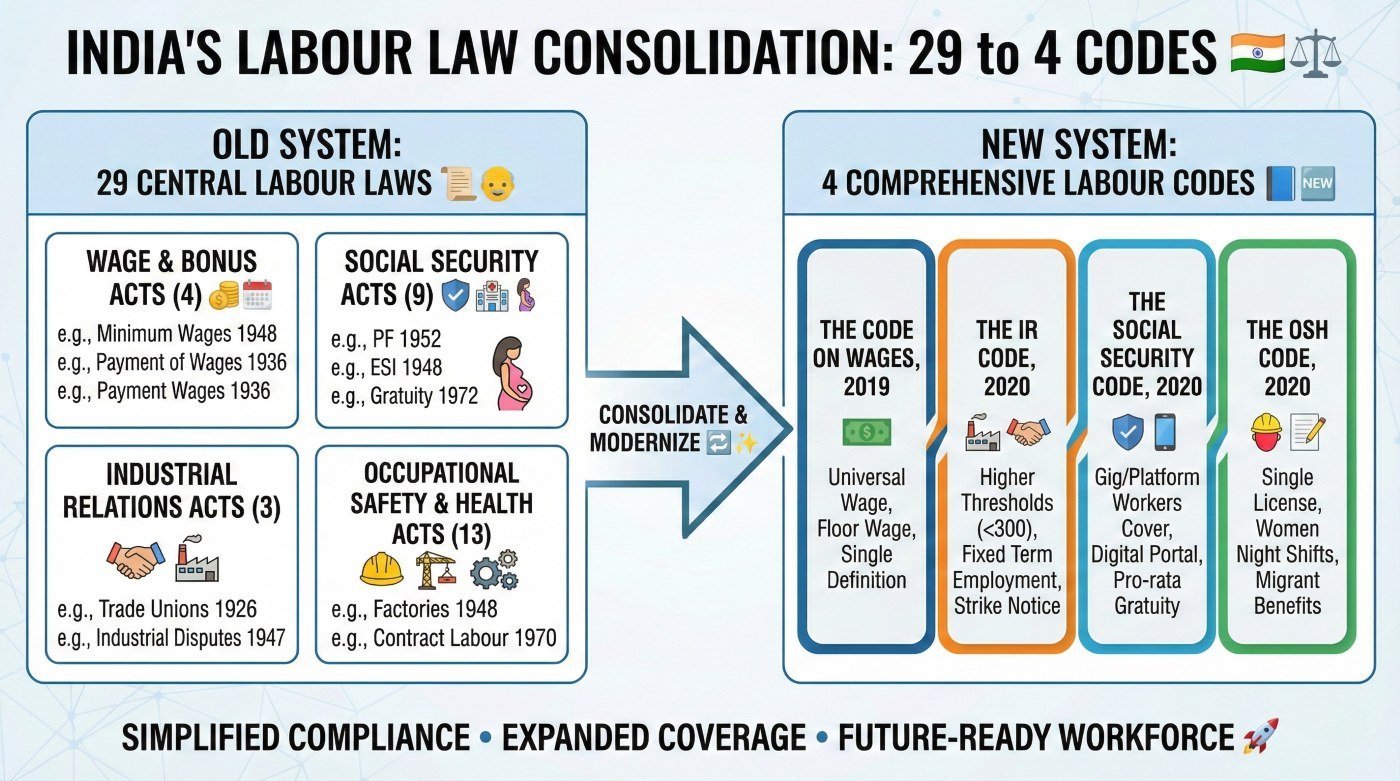
The introduction of the New Four Labour Codes marks a significant turning point in the regulatory framework governing the manufacturing sector in India. These codes have been established to amalgamate the vast array of existing labour laws into a more streamlined, efficient, and coherent system. This simplification aims not only to enhance compliance but also to promote ease of doing business within the sector.
The four codes are as follows: the Code on Wages, the Industrial Relations Code, the Occupational Safety, Health and Working Conditions Code, and the Code on Social Security. Each of these codes addresses specific facets of labour management, ensuring that the interests of both employers and employees are duly considered.
The Code on Wages serves as the foundation, focusing on equitable payment structures and establishing minimum wage standards across various sectors, including manufacturing. It aims to ensure fair compensation for workers, ultimately fostering a healthier economic environment.
The Industrial Relations Code reshapes the dynamics of employer-employee relations by providing clear guidelines for negotiations, dispute resolution, and the process of forming trade unions. This code includes provisions for promoting harmony in workplaces and preventing industrial disputes, which are critical for sustaining productivity in the manufacturing sector.
Meanwhile, the Occupational Safety, Health and Working Conditions Code emphasizes the significance of worker welfare and mandates strict adherence to safety protocols by employers. This fosters a safer working environment, thereby reducing occupational hazards significantly.
Lastly, the Code on Social Security is pivotal in extending social benefits to a wider workforce, covering aspects such as maternity benefits, health insurance, and retirement plans. This comprehensive approach ensures that the manufacturing workforce is safeguarded against socio-economic vulnerabilities.
In summary, the New Four Labour Codes aim to create a balanced framework that promotes growth while securing workers’ rights and well-being. By harmonizing various regulations into this consolidated model, the government aspires to facilitate better governance in the manufacturing sector.
Comparison of Old 29 Labour Laws and New Four Codes
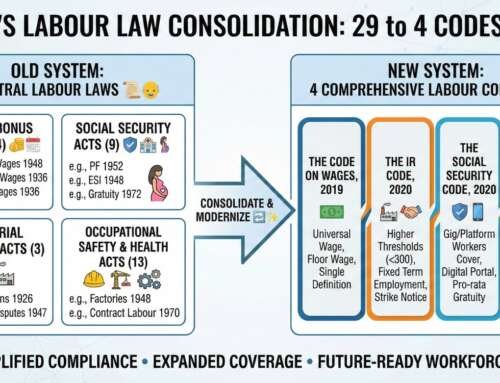
The transition from the old 29 labour laws to the new four labour codes marks a significant shift in the framework governing the manufacturing sector. The old laws, originating from various legislative acts, presented a complex and often cumbersome regulatory environment. Each law was designed to address particular aspects of labour rights, health, safety, and employment relations. As a result, they were often seen as lacking coherence and clarity, leading to challenges in compliance for employers and understanding for employees.
In contrast, the new four labour codes—namely the Code on Wages, Industrial Relations Code, Social Security Code, and Occupational Safety, Health and Working Conditions Code—offer a more structured approach. These codes aim to consolidate the principles of the previous regulations while simplifying and modernizing them. One of the core advantages of this new framework is its emphasis on clarity. The codes are constructed to be directly understandable, thereby reducing ambiguities that previously existed under the old regime.
Employer obligations have also significantly changed with the introduction of the four codes. Under the old 29 laws, employers navigated multiple requirements that varied widely depending on the specific act involved. The new codes streamline these obligations into unified regulatory categories, promoting uniformity across the system. This change not only eases the burden on businesses but also enhances compliance monitoring for agencies responsible for enforcing labour laws.
Worker protections have been notably strengthened in the new framework as well. The previous laws often provided varying levels of protection and rights for workers, which led to disparities. The new labour codes establish a more equitable baseline of rights, ensuring that all employees in the manufacturing sector benefit from enhanced provisions for safety, wages, and dispute resolution procedures.
Overall, the evolution from the old 29 labour laws to the new four codes signifies a progressive step towards a more integrated and user-friendly labour law environment in the manufacturing sector, focused on clarity, compliance, and improved worker protections.
Impact of the New Codes on the Manufacturing Sector
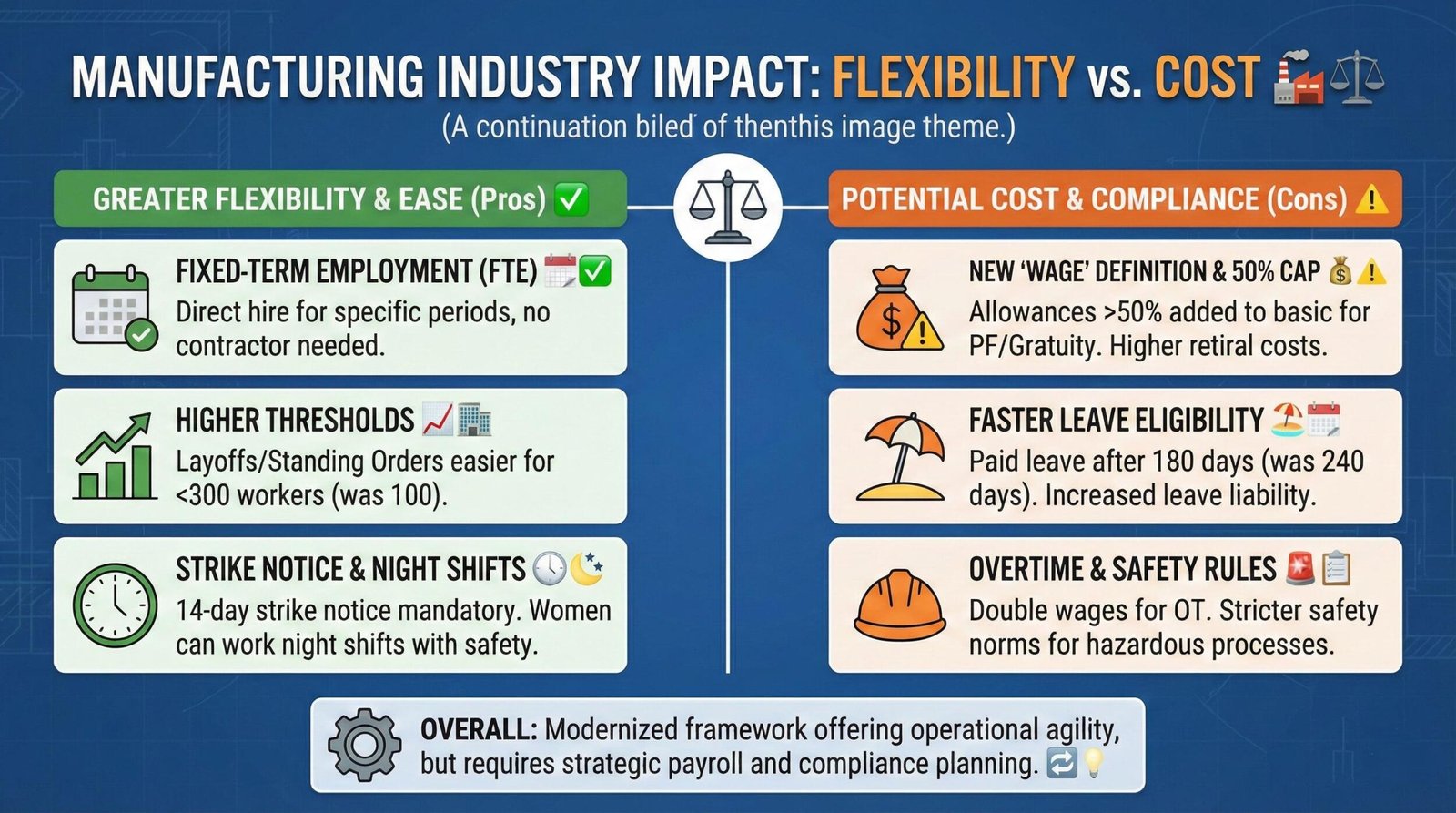
The implementation of the new labour codes represents a significant shift in the regulatory framework governing the manufacturing sector. One of the primary anticipated impacts is improved compliance with legal standards. The simplification of various labour laws into four consolidated codes helps in reducing the complexities that often lead to regulatory non-compliance. This streamlined approach enables manufacturers to navigate labour regulations more efficiently, thus mitigating the risks of penalties and legal disputes.
Additionally, the new codes are designed to enhance working conditions for employees. By emphasizing worker rights and safety standards, these regulations aim to create a more secure and equitable workplace environment. This focus on worker welfare not only benefits employees but can also lead to increased productivity, as happier and healthier employees are likely to be more engaged in their work. Consequently, companies may experience lower turnover rates and higher morale, leading to a more stable workforce.
Furthermore, the new labour codes facilitate streamlined processes for both employers and employees. With clearer guidelines on various employment-related matters, including wages, leave policies, and dispute resolution mechanisms, both parties can expect faster and more efficient handling of workplace issues. Employers will find it easier to adhere to regulations while also ensuring that their employees’ rights are respected. This improved clarity can foster better employer-employee relationships, promoting a culture of transparency and communication within the manufacturing sector.
In conclusion, the new labour codes are poised to have a profound impact on the manufacturing sector, driving compliance, improving working conditions, and streamlining operational processes. These changes are essential for fostering a resilient and competitive manufacturing environment, which is crucial for economic growth.
Implementation Challenges of the New Codes
The introduction of the new four labour codes marks a significant shift in the regulatory landscape of the manufacturing sector. However, the successful implementation of these codes comes with its own set of challenges that stakeholders must navigate. One crucial aspect is the need for adequate training for both employers and employees. The new labour codes introduce several changes to existing practices, including modifications in compliance requirements, employee benefits, and grievance redressal mechanisms. It is essential for both parties to understand these changes thoroughly to avoid non-compliance and potential legal repercussions.
Transition timelines present another significant hurdle in the implementation process. The period allowed for businesses to adapt to the new regulations can vary, depending on the size and scope of the organization. Smaller enterprises, in particular, may struggle with the swift adaptation demanded by the new codes. Extended transition periods could mitigate this challenge, ensuring that businesses have ample time to adjust their policies and procedures accordingly.
Furthermore, the need for clear and comprehensive guidelines cannot be overstated. The vagueness in some aspects of the new codes may lead to inconsistent interpretations, resulting in confusion among employers and employees alike. The government and relevant authorities must provide detailed guidance on how to comply with the codes effectively, thereby limiting the potential for disputes and misunderstandings. This clarity will also facilitate smoother transitions, as stakeholders will have a clearer roadmap for compliance.
In light of these challenges, collaborative efforts between the government, industry bodies, and stakeholders are imperative to ensure a smooth transition and successful implementation of the new labour codes. By addressing training needs, providing adequate transition timelines, and ensuring clarity in guidelines, the manufacturing sector can better navigate the complexities of these new regulations.
Conclusion and Future Outlook for Labour Laws
The evolution of labour laws in India has marked a significant transformation, particularly with the move from the Old 29 Acts to the New Four Labour Codes. These changes aim to streamline compliance and improve the overall regulatory framework for the manufacturing sector. The integration of the various facets of labour legislation into a more cohesive system is a notable advancement, reflecting the government’s recognition of the need for more efficient governance and facilitation of business operations.
One of the primary implications of these new labour codes is their potential to enhance ease of doing business in India. By consolidating multiple statutes into just four codes, the complexity that previously plagued the regulatory landscape is likely to decrease, making it easier for manufacturers to understand and comply with labour laws. Furthermore, these codes are designed with the intent to protect worker rights while simultaneously fostering a more conducive environment for investment and growth in the manufacturing sector.
As we look to the future, it is imperative to recognize that the labour market and the broader economic context are continually evolving. Emerging trends like automation and the gig economy are reshaping the nature of work, necessitating ongoing reforms in labour legislation. Policymakers must remain adaptable, ensuring that labour laws keep pace with technological advancements and shifting societal values. Continued dialogue between stakeholders—government, industry leaders, and worker representatives—will be crucial in developing a framework that balances economic growth with social justice. Future labour law reforms will play a pivotal role in navigating these challenges, ensuring a resilient and equitable workforce in the manufacturing sector.







Leave A Comment